Protect Your Home with Routine Chimney Inspection and Sweeping
What does my chimney do?
A chimney is more than a stack of bricks on the roof. Its entire purpose is to create draft—the upward pull that moves smoke, carbon monoxide, moisture, and byproducts from your furnace, water heater, fireplace, or stove safely outdoors. Inside that structure is the chimney liner, a protective barrier that keeps high temperatures, moisture, and corrosive exhaust from damaging the masonry or chase structure and leaking into the home. When the liner or venting system begins to fail, the chimney can no longer do its job—and the risks increase quickly.
Over time, clay liners crack, metal liners corrode and fail to contain products of combustion and hot gasses. Routine sweeping and inspections are the only way to catch hidden problems before they become dangerous. Neglected chimneys commonly develop: Creosote buildup, Blockages, Cracked or Deteriorated liners, Corrosion, Drafting issues. At Dennis Hearth & Home LLC, our number one goal is keeping families safe from the hidden hazards inside your chimney.
These issues often develop silently—long before a homeowner notices visible damage.
Schedule an inspection today to determine if your chimney is safe and working as it was intended. Serving our neighbors in Kalamazoo, Battle Creek, Eaton Rapids, Jackson, Okemos, Lansing, Ann Arbor, Livonia and Brighton. Improve your home's safety and performance today.
Details That Matter Most
When planning a liner replacement, the first step involves a thorough inspection of your existing chimney. Technicians measure flue dimensions, assess masonry condition, and identify any obstructions or damage that could affect the new liner's fit. In Mid-Michigan, many homes have outdated clay liners that crack under temperature stress or mismatched venting that reduces appliance efficiency.
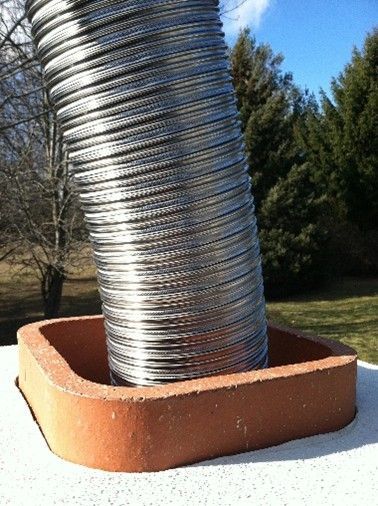
Dennis Hearth & Home LLC removes old liners carefully, ensuring masonry integrity is preserved throughout the process. New stainless steel or insulated liners are lowered into place, connected to the appliance, and sealed at top and bottom to prevent leaks. Insulated liners improve draft and reduce condensation in colder climates.
Once installed, the system is tested for proper draw and inspected for secure connections. The work typically completes in one day, restoring safe venting and extending the life of your chimney.
Homeowners considering a liner upgrade often have questions about compatibility, installation, and long-term benefits. Here's what you need to know.
How Our Process Works
Why do clay liners fail in Michigan?
Excess Moisture and Heat Exposure cause clay tiles to crack and separate over time. Neglecting regular inspections and cleanings can exacerbate deterioration. and worsening damage with each winter season.
What's the difference between stainless steel and insulated liners?
Stainless steel liners provide durable, code-compliant venting. Insulated liners add a protective layer that improves draft, reduces heat transfer, and prevents condensation buildup in cold weather.
Can a new liner improve my fireplace's draft?
Yes, properly sized liners reduce turbulence and improve airflow. Better draft means cleaner burns, less smoke spillage, and more efficient heating.
How do you size a liner for my chimney?
Technicians measure flue dimensions and match liner diameter to your appliance's venting requirements. Proper sizing ensures safe, efficient operation and code compliance.
Will replacing the liner damage my chimney?
No, removal is done carefully to preserve masonry. Technicians inspect interior bricks during the process and address any issues before installing the new liner.
A new liner restores safe venting, protects your chimney structure, and supports reliable heating performance through every Michigan winter. Contact us to schedule your inspection and explore your upgrade options.