
Comprehensive Chimney Inspections for Michigan Homes – Level 1 & Level 2
Protect Your Home With a Certified Chimney Inspection
No matter the fuel type, every venting system needs regular evaluation and cleaning to stay safe and perform properly. This includes wood‑burning fireplaces, wood stoves, gas fireplaces, gas inserts, pellet stoves, furnaces, and water heaters.
Our CSIA Certified team starts with a level I chimney evaluation at every home. This is an opportunity to Identify initial exterior chimney problems and evaluate the safety of the home appliance system. They'll assess the chimney from top to bottom, including the cap, crown or chase cover, and the chimney structure weather vent pipe, chase, brick or block and the system set up and location within the home including those aspects that are visually accessible.
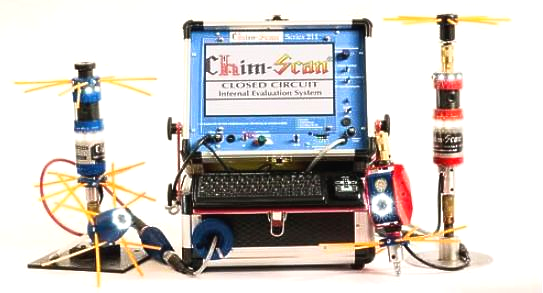
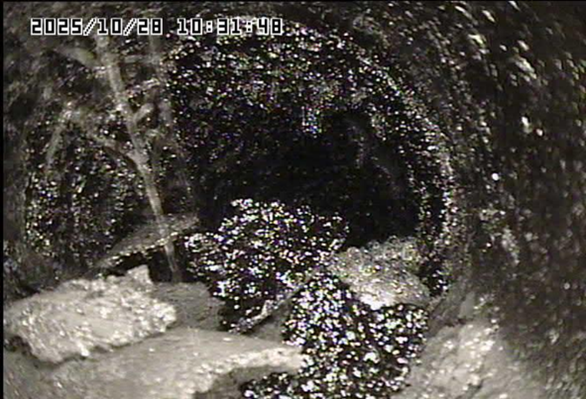
The level II evaluation includes a video scan of the entire flue. This is where a specialized camera, called a Chim‑Scan, is lowered through the chimney to check for cracks, gaps, missing mortar joints, or hidden damage. Then inspection of accessible areas around the chimney like the attic, basement, crawlspace, or other areas where the chimney passes through. Homeowners receive a detailed report showing the condition of the chimney from top to bottom.
Whether you’re maintaining your current chimney system or evaluating a chimney in a home you plan to purchase, Level I and Level II inspections provide the safety and peace of mind every homeowner deserves. A Level II inspection is recommended for real-estate transactions and can save the home buyer money and headache from problems that are found after the closing date.
Dennis Hearth & Home proudly serving Kalamazoo, Battle Creek, Eaton Rapids, Okemos, Lansing, Ann Arbor, Livonia, Brighton, and nearby Mid‑Michigan communities with professional chimney services.
What to Expect When You Schedule Your Chimney Inspection and Service Appointment
01
Schedule Your Appointment
Call or submit an online request to choose a convenient date and time; our team confirms details and explains what to expect.
02
Receive Appointment Reminders
You’ll get confirmation and reminder notifications so you know exactly when your technician will arrive.
03
On‑Site Chimney Evaluation
Your technician performs a full inspection or service, documents findings, and answers any questions about your chimney system.
04
Review Your Inspection Report
We provide clear results outlining any issues, recommended repairs, and photos when applicable.
05
Schedule Repairs or Maintenance
If repairs are needed, we help you plan next steps, provide estimates, and arrange follow‑up service at your convenience.
Homeowners want to know what regular maintenance prevents and how it protects their investment. These answers cover the most important aspects of annual fireplace care.
Key Benefits of This Service
How does regular maintenance reduce repair costs?
Annual inspections catch small issues like cracked tiles or worn gaskets before they worsen. Fixing minor problems early prevents expensive structural repairs and keeps your system running smoothly.
What does a camera inspection reveal?
Cameras show creosote levels, liner condition, blockages, and masonry damage inside the chimney. You see exactly what the technician sees, making it easier to understand needed repairs.
Why is creosote buildup a concern in Battle Creek?
Heavy winter burning leads to faster creosote accumulation, which increases fire risk. Cold weather also slows draft, allowing deposits to form more quickly on flue walls.
Can maintenance plans cover gas fireplaces too?
Yes, inspections include venting checks, burner cleaning, and control testing for gas systems. Regular service ensures safe ignition and efficient heat output.
How often should I schedule a maintenance visit?
Annual visits are recommended for most systems. If you burn wood frequently, consider scheduling sweeping twice per year to manage creosote buildup.
Preventive care protects your home, prolongs appliance life, and gives you confidence that every fire burns safely. Reach out now to enroll in a maintenance plan and secure your annual visit.