
Protect Your Home Before the Next Storm
Siding in Mid Michigan for homes showing cracked panels, moisture buildup, or failing insulation after years of freeze-thaw exposure
Dennis Hearth & Home LLC installs and replaces siding for homeowners in Mid Michigan whose exterior walls have developed cracks, warping, or moisture intrusion from repeated freeze-thaw cycles and wind-driven rain. You may notice sections of vinyl pulling away from the wall, dark stains spreading behind the siding, or higher heating bills as insulation loses effectiveness. These conditions indicate that your siding has reached the end of its functional life and no longer protects the structure beneath.
Siding serves as your home's primary barrier against moisture, temperature swings, and physical damage from wind and hail. In Mid Michigan, vinyl and fiber cement siding endure freeze-thaw cycles that crack brittle materials, while wood siding absorbs moisture and rots if not properly sealed and maintained. When siding fails, water reaches the sheathing and framing, leading to rot, mold growth, and compromised structural integrity. Replacing damaged siding restores the weather barrier and prevents costly interior damage.
If your siding shows cracks, warping, or signs of moisture intrusion, contact Dennis Hearth & Home LLC to schedule an inspection and discuss material options suited to Mid Michigan weather conditions.
Material Selection and What Replacement Addresses
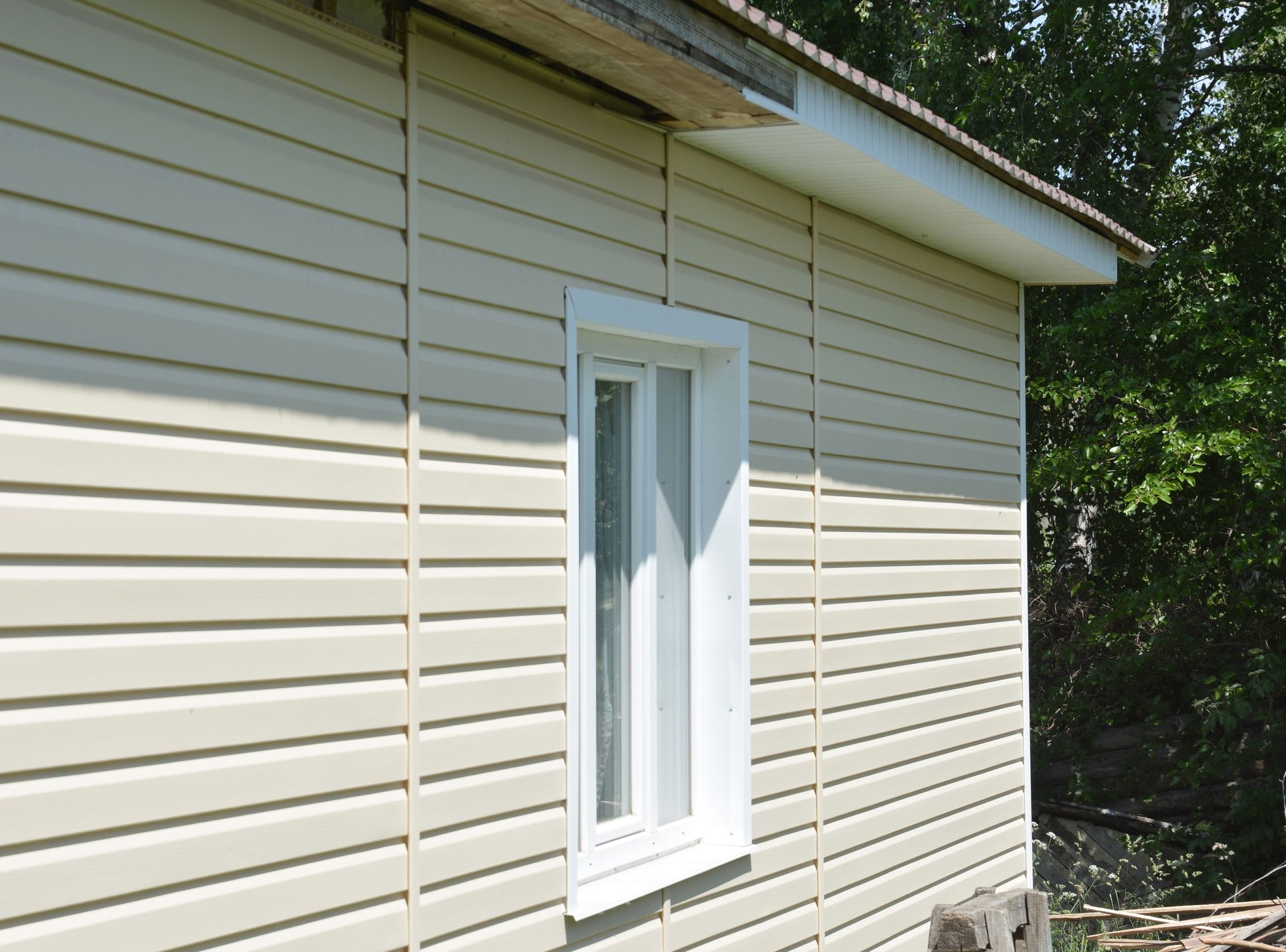
When you schedule a siding replacement, the team removes damaged panels, inspects the underlying sheathing and moisture barrier for rot or mold, and replaces any compromised layers before installing new siding. Vinyl siding offers low maintenance and consistent color retention, fiber cement provides superior impact resistance and fire rating, and engineered wood siding delivers natural appearance with enhanced durability. Each material is installed with proper flashing around windows, doors, and roof intersections to prevent water from bypassing the siding and reaching the framing.
After replacement, your home will shed water away from the foundation, maintain stable indoor temperatures without drafts, and show no signs of moisture staining or panel movement. Energy bills often decrease as new siding and intact insulation reduce heat loss through exterior walls. The siding surface will remain intact through winter ice and summer storms without cracking or lifting, and you will no longer see gaps where panels have pulled away from the wall.
Siding replacement does not include window or door replacement, roof repair, or foundation waterproofing, which are separate projects. If inspection reveals rot in structural framing beyond the sheathing, that repair is addressed as part of the siding project before new panels are installed. The focus remains on restoring a durable, weathertight exterior envelope.
Homeowners often ask how long different siding materials last and what signs indicate it is time to replace rather than repair. These questions cover material performance, installation details, and long-term maintenance needs in Mid Michigan.
Homeowner Questions About Siding Durability and Installation
How long does vinyl siding last in Mid Michigan?
Vinyl siding typically lasts twenty to thirty years, but freeze-thaw cycles can cause cracking sooner if the material becomes brittle from UV exposure or impact damage.
What makes fiber cement siding more durable than vinyl?
Fiber cement resists moisture absorption, does not crack in freezing temperatures, and holds paint finishes longer. It also provides better fire resistance and impact protection from hail.
Can I replace only the damaged sections of siding?
You can, but matching color and texture on aged siding is difficult, and partial replacement does not address hidden moisture damage. Full replacement ensures uniform appearance and a continuous weather barrier.
What happens if moisture has reached the sheathing?
The sheathing is removed and replaced before new siding is installed. Leaving rotted sheathing in place compromises the fastening surface and allows mold to continue spreading.
How do you prevent water from getting behind the new siding?
Proper flashing is installed around all openings, and a moisture barrier is applied over the sheathing before siding goes up. Joints are sealed and panels are overlapped to shed water away from the wall.
Dennis Hearth & Home LLC provides siding installation and replacement throughout Mid Michigan, using materials and methods suited to the region's demanding climate. Contact the team to arrange an inspection, review material options, and receive a detailed scope based on your home's condition and long-term protection needs.
