What Flame Color Can Tell You When Burning Wood in a Fireplace
If you’re new to using a wood‑burning fireplace, you’ve probably noticed that flames aren’t always the same color. While flame color isn’t a perfect diagnostic tool, it *can* offer useful clues about what’s happening inside your fire—everything from temperature to fuel quality to whether something unsafe may be burning.
Understanding these color cues can help you enjoy cleaner, safer, and more efficient fires at home.
What Different Flame Colors Mean
Blue Flames — Hot, Efficient Combustion
A blue flame typically indicates a very hot, clean burn with plenty of oxygen. You’ll see this more often in gas appliances, but very dry, well‑seasoned wood can produce brief blue flashes as volatile gases ignite.
Yellow or Orange Flames — Normal Wood Combustion
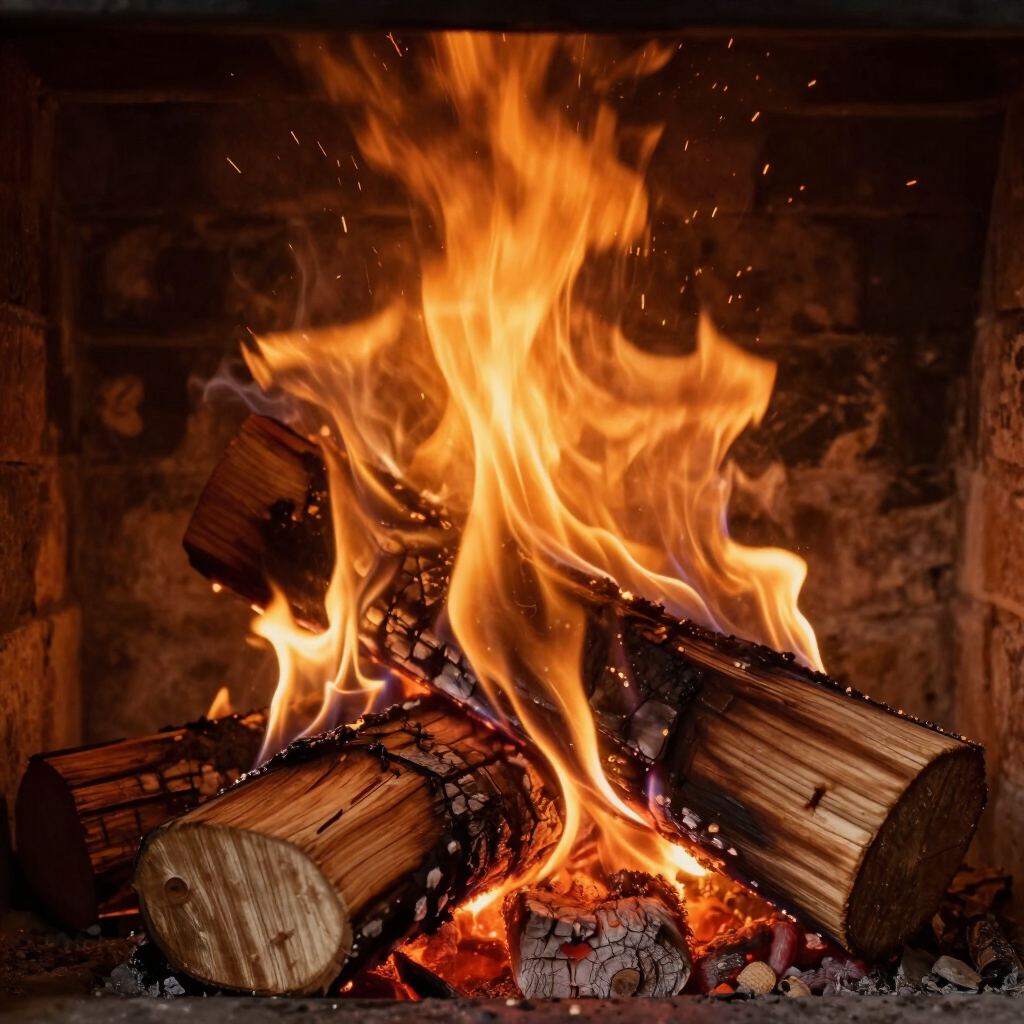
This is the classic wood‑fire glow. Yellow and orange flames are common when burning natural wood and usually mean the fire is burning normally. However, they can also indicate incomplete combustion if the wood is damp or the fire isn’t getting enough air.
Red Flames — Cooler Areas of the Fire
Red flames are cooler and often appear around the edges of the fire or in areas where airflow is limited. They’re not usually a concern, but they can signal that the fire needs more oxygen or that the wood is not fully seasoned.
White Flames — Very Hot Fire or Glowing Embers
White flames or bright white glow often come from extremely hot areas of the fire, especially around embers. This is normal when the fire is well‑established and burning efficiently.
Unusual Flame Colors: A Warning Sign
Some colors don’t belong in a wood‑burning fireplace. These can indicate the presence of chemicals or metals—and that’s when caution is essential.
- **Green flames** often come from copper.
- **Violet flames** can indicate potassium.
- **Bright crimson** may be caused by strontium.
- **Yellow‑green** flames can come from barium compounds.
These colors are common in fireworks—but not in a fireplace. If you see them, it may mean something unsafe is burning.
Why Wood Quality Matters
The type and condition of your firewood directly affect flame color, smoke output, and overall safety.
Dry, seasoned, untreated wood
- Burns hotter
- Produces cleaner flames
- Reduces creosote buildup
- Minimizes smoke and odor
Wet or unseasoned wood
- Burns poorly
- Produces heavy smoke
- Leads to cooler, dirtier flames
- Increases creosote accumulation in the chimney
Treated, painted, or manufactured wood
- **Should never be burned**
- Releases toxic chemicals
- Can produce unusual flame colors
- Poses serious health and safety risks
If you ever notice strange flame colors or unusual smoke, it’s best to extinguish the fire and inspect what may have been accidentally tossed in.
A Helpful Reminder for New Fireplace Users
Flame color can offer helpful clues, but it’s not a guaranteed way to identify what’s burning. The safest approach is simple:
- Use clean, dry, properly seasoned firewood.
- Avoid burning anything treated, painted, or questionable.
- Pay attention to unusual colors or odors—they may signal toxic materials.
- Keep your chimney and fireplace professionally inspected and cleaned.
A healthy fire should burn bright, clean, and predictable. When something looks off, trust your instincts and take a closer look.
