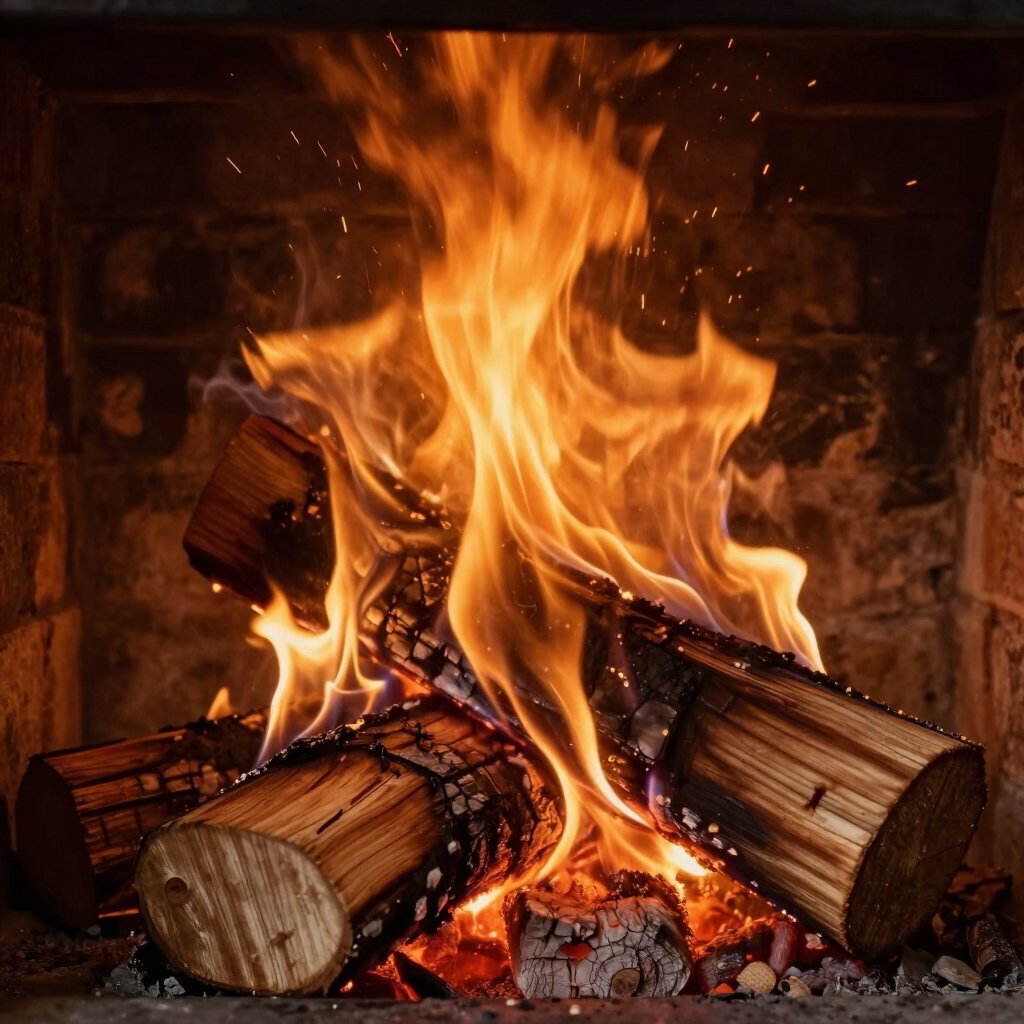

Fireplace Installation by CSIA and NFI certified Technicians
What Happens When Outdoor Living Spaces Withstand Freeze-Thaw Cycles
If you need outdoor living features in Quincy that function year-round, material selection determines whether your fire pit cracks after one winter or lasts decades. Custom outdoor fire pits, fireplaces, and kitchens designed for Michigan weather use reinforced concrete, natural stone, and frost-resistant masonry that expand and contract without structural failure. The result is outdoor spaces you use from early spring through late fall without worrying about weather damage.
Dennis Hearth & Home LLC designs outdoor fire features with integrated seating that creates natural gathering spaces in your yard. Built-in benches using the same stone as the fire pit eliminate the need to move furniture, and proper drainage prevents water pooling that causes freeze damage. You get outdoor areas that look intentional rather than improvised, and seating stays dry even after heavy rain.
Areas We Serve
Gas Lines and Ventilation for Reliable Outdoor Fire Features
Outdoor fireplaces in Quincy require proper gas line routing with buried supply lines that stay below frost depth. Natural gas connections provide consistent fuel supply without propane tank refills, and electronic ignition systems light reliably even in cold temperatures. Fireplace openings face away from prevailing winds to prevent smoke blowback, and chimney height creates enough draft to keep combustion clean.
Outdoor kitchens integrate with fire features using shared stone or brick construction that ties the space together visually. Gas grills, pizza ovens, and prep counters all connect to the same buried utility lines, and weather-resistant cabinetry keeps tools accessible year-round. The layout creates efficient workflow from prep to cooking to serving, similar to indoor kitchen design but adapted for outdoor use.
Contact us to discuss outdoor living designs in Quincy that include custom fire pits, fireplaces, and integrated seating built to handle Michigan weather without annual repairs.
Five Steps to Building Durable Outdoor Fire Spaces
Creating outdoor fire features that survive Quincy's temperature swings requires specific construction methods and material choices. Here's what goes into each installation:
- Site assessment determines drainage patterns and utility routing before excavation begins
- Reinforced concrete footings extend below frost line to prevent settling and cracking
- Natural stone or engineered masonry provides thermal mass that radiates heat long after flames die down
- Integrated seating uses the same materials as fire features for visual continuity and structural durability
- Gas line installation includes proper sizing for BTU requirements and shut-off valves for seasonal maintenance
Outdoor living projects typically complete in one to three weeks depending on feature complexity and utility work required. The finished space extends your usable outdoor season and creates gathering areas that don't require setup or teardown each time you want to use them. Get in touch to walk through design options that fit your yard layout and match your home's exterior materials.